Home Staging in Uruguay (2026): Practical and Low-Cost Guide
INGAR · · Sale
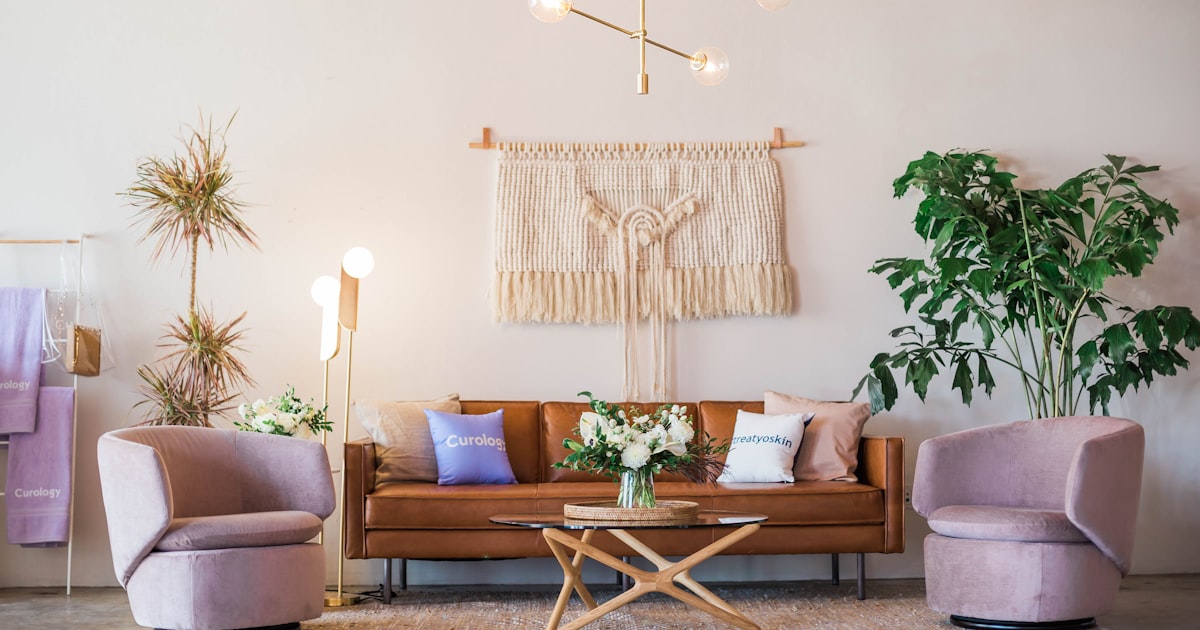
Why this article can save you months (and thousands of dollars)
In Uruguay, the vast majority of properties are listed as-is: with everyday furniture, photos taken in a rush, and no preparation whatsoever. For you, that's a huge opportunity. Because if you dedicate a weekend (and sometimes less than USD 100) to preparing your property before listing it, you'll be ahead of 90% of the listings competing with yours.
That's essentially what home staging is: preparing the property so it looks, feels, and photographs better. It's not decorating. It's not remodeling. It's a sales strategy.
The 2025 report from the National Association of Realtors (NAR) confirms this with numbers: 49% of real estate agents observe that staged properties sell faster, and nearly 30% report that buyers offer between 1% and 10% more for a prepared property. For a USD 150,000 apartment in Montevideo, that can mean between USD 1,500 and USD 15,000 extra, for an investment that rarely exceeds USD 800.
At INGAR we see this every week: properties that were stagnant start receiving visits after a deep cleaning, a couple of coats of paint, and decent photos. No magic required. Just method.
The 90-second rule: how a buyer decides
The psychology of real estate purchasing has been studied and is fairly predictable. Buyers make an emotional decision in the first 90 seconds of a visit. Afterward, they look for rational arguments to justify that decision (or to dismiss it).
In those 90 seconds, the brain isn't evaluating pipe quality or the condition of the electrical installation. It's processing:
- Light: a bright space is perceived as larger, cleaner, and more trustworthy. Darkness creates unconscious tension.
- Smell: an unpleasant odor (dampness, cigarettes, old food, pets) triggers an immediate alarm. The buyer starts looking for problems.
- Order and flow: if the space feels cluttered or confusing, the brain works harder to process it. That creates subtle stress. A clear space, on the other hand, relaxes, and a relaxed buyer stays longer.
- Perceived maintenance: a burned-out lightbulb, a chipped baseboard, or a damp stain on the ceiling aren't just cosmetic defects. They're risk signals: "if they didn't take care of this, what else didn't they take care of?"
Psychologists call this the "halo effect": a good first impression makes the buyer more tolerant of minor defects. A bad first impression does the opposite: every detail gets amplified.
And here's the important part: the first impression today doesn't happen at the visit. It happens on the real estate portal. The buyer sees the photos on their phone, scrolls in 3 seconds, and decides whether to schedule a visit or move on. If your photos show clutter, darkness, or neglect, you lost the opportunity before anyone crossed the threshold.
What home staging is (and what it isn't)
Let's be clear because there's a lot of confusion:
Home staging IS:
- Depersonalizing: removing family photos, collections, very personal objects. The buyer needs to imagine themselves living there, not feel like an intruder in your home.
- Simplifying: fewer pieces of furniture, fewer things on countertops, less visual noise. Every excess object subtracts perceived square meters from the space.
- Improving the perception of light and size: opening curtains, changing light fixtures, painting dark walls white.
- Defining clear functions: each room needs to "communicate" what it's for. A room with a bed, a desk, exercise equipment, and boxes isn't a bedroom, or an office, or a storage room. It's confusing.
- Eliminating risk signals: visible dampness, half-finished repairs, dirty grout, dripping faucets.
Home staging is NOT:
- Remodeling the entire kitchen "just because." If the kitchen works and is clean, you don't need to change the countertops.
- Buying expensive furniture. Staging is done with what you have (or with temporary rentals if the property is empty).
- Hiding problems. A serious buyer will detect dampness covered with paint, and when they detect it, they'll negotiate harder. Better to be transparent and show that issues have been resolved.
- Decorating to your taste. This isn't about your style. It's about creating a neutral space where the greatest number of people can project themselves.
The Uruguayan context: why staging pays off more here
In the United States or Spain, home staging is standard practice. In Uruguay, it's the exception. According to what we see at INGAR when analyzing listings on portals like InfoCasas and MercadoLibre, fewer than 10% of properties for sale show signs of having been prepared for sale.
That means the bar is low. You don't need to hire a professional stager or rent designer furniture. With thorough cleaning, organizing, painting what's needed, and taking good photos, your property already stands out.
Uruguay also has some particularities that affect staging:
- Many properties are sold while occupied: that complicates depersonalization but also means that an occupied and well-presented property looks "real" and welcoming, unlike an empty apartment that can feel cold.
- Dampness is a recurring issue: in a country with humid winters, any sign of dampness (stains, smell, mold on silicone) is a huge red flag. Resolving it before listing is probably the improvement with the highest return.
- Uruguayan buyers are cautious: the local real estate market is conservative. A buyer who sees an impeccable property lowers their guard. One who sees visible problems starts haggling or simply passes.
- Local services exist: companies like Deco Rent and Home Staging Uruguay offer furniture rental and staging packages, including cardboard furniture options for empty properties, at accessible costs.
List of improvements by impact and cost
Before going room by room, this table helps you prioritize. Order matters: always do first what has the most impact at the lowest cost.
| Action | Estimated cost (UYU/USD) | Impact on photos | Impact on visit | Practical note |
|---|---|---|---|---|
| Deep cleaning + neutral smell | UYU 3,000-6,000 / USD 0 if DIY | High | Very high | This comes first. Without this, nothing else matters. |
| Depersonalize and organize | USD 0 (just your time) | High | High | Store it in a storage unit or at someone's house. Not in a closet. |
| Lighting (lamps, warm LED) | UYU 1,500-4,000 | High | High | Replace burned-out bulbs, warm temperature (2700-3000K). One LED lamp in each dark room. |
| Spot painting (stains, baseboards, ceiling) | UYU 3,000-8,000 | High | High | White or very light gray. Don't get creative with colors. Prioritize stained walls. |
| Visible repairs (faucets, silicone, hinges) | UYU 1,000-3,000 | Medium | High | Black silicone in bathroom/kitchen is easy to replace and changes the perception of cleanliness. |
| Neutral textiles (towels, curtains, bedding) | UYU 2,000-5,000 | Medium | High | White towels in the bathroom, plain neutral bedding in bedrooms. |
| Plants and greenery | UYU 500-2,000 | Medium | Medium | 2-3 hardy plants (pothos, sansevieria). Simple pots, not too many. |
| General painting (entire property) | UYU 15,000-30,000 | Very high | Very high | Only if the walls are very deteriorated. The return is extremely high but the cost goes up. |
Basic DIY budget (the minimum that produces results): deep cleaning + depersonalize + 2-3 LED bulbs + new silicone in bathroom = less than USD 50. If you add spot painting and white towels, you're at USD 80-100.
Complete staging budget (with professional or rental): USD 300-800 depending on property size and whether you need to rent furniture. In Uruguay, Deco Rent offers packages that include furniture + professional photos.
Room-by-room guide: what to do in each one
Living room / dining room
It's the most important room according to 37% of agents surveyed by the NAR. The living room is the first thing seen in photos and the first thing felt during the visit.
- One focal point: define what the eye should see first: the window with a view, the balcony door, the main piece of furniture. Everything else should be background, not competition.
- Fewer pieces of furniture: if the living room is small (like many in Montevideo), remove everything that isn't essential. A coffee table, a sofa, a lamp. Clear pathways make the space feel larger.
- Cables out of sight: coil them, hide them behind the TV stand, use cable channels if necessary. A nest of cables screams disorder.
- Maximum natural light: open curtains, raise everything. If the curtain is dark or old, remove it. A clean window without curtains is better than a curtain that darkens.
- 3-5 decorative objects maximum: a coffee table book, a vase with something green, an accent pillow. Nothing more.
Kitchen
23% of buyers consider it key. And it's where the most money is "lost" on unnecessary improvements.
- Clear countertops: put away everything except 2-3 items (a wooden cutting board, a bowl with fruit, a coffee maker if it's nice). A countertop full of jars, detergent, and rags says "there's no space."
- Impeccable sink: no dishes, no residue. Shiny faucet. If the faucet drips, replace it (USD 20-30 at any hardware store).
- Grout and silicone: black silicone with mold is the number one alarm signal in kitchens. Replacing it costs UYU 300 and half an hour of work.
- Refrigerator: if they're going to open it (and many buyers do), it should be clean and half empty. It sounds strange, but a full, messy refrigerator creates the same feeling as an overflowing closet.
- Watch out for dampness: if there's dampness behind the refrigerator or under the sink, don't cover it up. Fix it. If it can't be easily fixed, be transparent with the buyer. They'll find out anyway.
Bedrooms
The master bedroom is the second most important room (34% according to NAR). Secondary bedrooms matter less individually, but all of them need to "tell" a clear story.
- Hotel-style made bed: smooth sheets, neutral comforter or bedspread (white, gray, beige), two well-placed pillows. It's the oldest staging trick and it still works because it transforms the room in 5 minutes.
- Clear nightstands: one lamp, nothing else. No books, no chargers, no glasses.
- Closet: organize the inside. Buyers open closets, and an overflowing closet says "there's not enough storage space." Leave it at 60% capacity maximum.
- Define it: if the room is a bedroom, make it a bedroom. Remove the stationary bike, the ironing board, and the boxes. If it's a small room you use as an office, leave it as an office with a desk and a chair, period.
Bathroom
The bathroom is where most visits are "lost." It's a small space where everything shows: dirt, smell, wear. And it's where buyers look for signs of dampness and maintenance.
- White towels: buy a new set of white towels (UYU 800-1,500 at any store). Hang them neatly folded. It's a staging classic that works because it conveys instant cleanliness.
- Clean mirror: no splashes, no toothpaste marks. The mirror reflects light and enlarges the bathroom; if it's dirty, it does the opposite.
- New silicone: if the silicone around the bathtub or shower is black, replacing it is the repair with the highest return in the entire bathroom. Half an hour of work, UYU 300 in materials.
- Impeccable toilet: this shouldn't need to be said, but we say it because we see it: dirty toilets in listing photos. Please.
- Ventilation: if the bathroom has an exhaust fan, make sure it works. If it doesn't, leave the door and window open before the visit. Dampness smell in the bathroom is a deal-breaker.
- Details that add up: a subtle scent diffuser (not aggressive lavender, something neutral), a small plant, a new roll of toilet paper. They're details, but they add up.
Balcony / patio / rooftop terrace
Outdoor space is a huge asset in Uruguay, especially after 2020, when buyers began valuing outdoor areas much more. If you have a balcony or patio, don't waste it.
- Don't leave it empty: a balcony with two chairs and a small table says "you can have breakfast here watching the street." An empty balcony says "unused square meters."
- Don't use it as storage: remove the bicycle, the drying rack, the boxes, the rusty grill. If the drying rack has to be there, make sure it's empty and clean.
- 2-3 plants: simple pots (not broken, not old plastic ones), green plants that can handle sun or shade as appropriate.
- If there's a view, show it: don't put things on the railing that block it. If the view is good, it's one of the strongest selling points.
- Clean floor: washed tiles, no dead leaves, no moss.
Entryway and transitional spaces
A space many people forget but that sets the physical first impression:
- Front door: painted or clean, working door handle, no strange noises when opening.
- Clear hallway: no overflowing shoe rack, no full coat rack, no umbrellas and bags.
- Light: the entrance hallway is usually the darkest place in the apartment. Put in a warm lamp. The buyer should enter and feel warmth, not a cave.
Photos: where the first battle is won (or lost)
As we said: the first impression is no longer at the visit, it's in the photo. And on Uruguayan portals, the average photographic quality is low. That works in your favor.
Basic rules that work:
- Natural light always: take photos between 10:00 and 14:00 on a day with good light. Open all curtains, turn on all lights. The combination of natural + artificial light eliminates harsh shadows.
- From the corner, at chest height: the photo from the doorway is the worst possible perspective. Stand in the corner opposite the door, at chest height, and capture as much of the room as possible.
- Wide angle but without distortion: if your phone has wide-angle mode, use it carefully. Too wide-angle distorts and the buyer then feels deceived at the visit.
- Vertical for tall or narrow rooms: not all photos need to be horizontal. A bathroom or hallway looks better in vertical.
- No photos with people, pets, or TV on: the buyer has to imagine themselves in the space. Your dog is beautiful, but distracting.
- Order of photos in the listing: the first photo is the most important (it's the thumbnail on the portal). Make it the best room in the property, with the best light.
Complete photo guide: how to take good photos of your property for listing.
Before and after: the power of comparison
One of the most convincing ways to understand the impact of staging is to see (or imagine) a before and after. We describe three scenarios we see constantly:
Scenario 1: studio apartment living room. Before: old sofa against the wall, dining table full of papers, cables on the floor, curtain closed. After: the old sofa was removed (stored), the table was cleared leaving only a vase and some fruit, a small reading corner was created with a chair and floor lamp, the curtain was opened. Same space, looks 30% larger.
Scenario 2: main bathroom. Before: old shower curtain with patterns, black silicone in the bathtub, colorful towels hung haphazardly, splattered mirror, shelf full of products. After: old curtain removed and replaced with a transparent one, silicone replaced (cost: UYU 300), new white towels folded on a shelf, gleaming mirror, only soap and a diffuser visible. Same bathroom, looks like a hotel.
Scenario 3: bedroom that was "everything." Before: unmade bed, desk with papers, stationary bike in the corner, clothes on the chair. After: bike stored, desk moved to the living room, bed made with white comforter and two gray pillows, nightstand with just a lamp. The room now "says" bedroom, and looks larger because it has a single use.
The numbers: real impact on price and time on market
The most solid data comes from the 2025 NAR (National Association of Realtors) survey, based on more than 1,200 real estate agents:
- 49% of agents say staging reduces time on market. Of those, 19% report a "significant" reduction.
- 29% of agents report that staging generates offers between 1% and 10% higher.
- 83% of buyer's agents say staging makes it easier for the buyer to imagine living in the property.
- The living room is the key room: 37% of buyers consider it the most important, followed by the master bedroom (34%) and kitchen (23%).
This data is from the United States, where staging is common. In Uruguay, where almost nobody does it, the relative impact is probably greater: when you're competing against listings with dark photos and clutter, a prepared property stands out like a beacon.
Our practical estimate for the Uruguayan market:
- Time on market: a well-prepared and well-photographed property sells between 30% and 50% faster than the same property listed "as-is."
- Price: it's hard to measure an extra 5% in a small market, but what we do see is that prepared properties receive firmer offers (fewer aggressive discount attempts). The buyer perceives that the owner took care of the property and that gives them confidence.
- ROI: if you spend USD 100-300 on basic preparation and that prevents just one extra month on the market, you saved UYU 5,000-15,000 in common expenses, taxes, and wear. The return is 5x to 10x.
Common mistakes that cost months
We see them all the time. They're avoidable.
- Publishing photos before preparing. "I'll take better photos later." No. The first impression on the portal is unique. If in the first days your listing has bad photos, the buyers who saw it have already dismissed it. When you upload new photos, they won't come back.
- Spending on what's not visible. Replacing internal pipes is fine, but no one will notice at the visit. Prioritize the visible: paint, cleaning, lighting, organization.
- Leaving odors. Cigarettes, fried food, dampness, pets. Smell is the most primitive sense and the hardest to ignore. Ventilate well before each visit, use a neutral air freshener, and if there's a dampness smell, address the cause.
- Too much personality. Your magnet collection on the refrigerator, family photos on every wall, soccer trophies on the shelf: all of this makes it harder for the buyer to imagine themselves in the space. It's not that it isn't nice, it's that it doesn't sell.
- Dark spaces. Closed curtains, burned-out lamps, lowered blinds. 48% of buyers expect homes to look like they do on TV shows (real data from NAR). You don't need to reach that level, but at least avoid the darkness.
- Lowering the price instead of preparing. We see owners who drop USD 5,000 after a month without visits, instead of spending USD 200 on preparation. It's always better to invest in presentation than to give away price.
More selling mistakes: common mistakes when listing a property for sale.
When NOT to do staging
Staging has an enormous return, but not in 100% of cases. There are situations where it's not worth it:
- Properties to be demolished: if the buyer is going to tear everything down and build from scratch, the interior presentation is irrelevant. Focus your energy on showing the land, the location, and the buildable square meters.
- Properties at liquidation price or well below market: when the price is so low that the buyer knows they're buying a "project," staging doesn't move the needle. The appeal is the price, not the presentation.
- Land: for obvious reasons. Although cleaning the lot, cutting the grass, and removing debris does improve perception (and aerial photos).
- Properties under construction: here what matters are the renders, the plans, and the developer's reputation, not physical staging.
In all other cases, even the minimum (cleaning + organization + good photos) pays off.
The action plan: step by step
So this doesn't stay theoretical, here's a concrete plan:
- First, price it right. Having the nicest property on the portal is useless if the price isn't competitive. Read: how to do a valuation.
- Depersonalize (day 1): remove family photos, collections, excess items. Store in boxes and remove from the property.
- Deep cleaning (day 1-2): hire a service or do it yourself, but make it thorough. Windows, grout, behind furniture, inside the oven.
- Repairs and painting (day 2-3): new silicone, working light bulbs, touched-up baseboards, covered stains. If the walls are in very bad shape, paint everything white.
- Basic styling (day 3): white towels in the bathroom, made bed, clear countertops, 2-3 plants. If there's a balcony, two chairs.
- Photos (day 4): with everything ready, take them during the best light hours. If possible, hire a real estate photographer (USD 50-100 in Montevideo). If not, do it with your phone and good light.
- List (day 4-5): with the best photos first, a clear description, and the right price.
In 5 days you can have your property ready to compete at another level. Complete preparation: how to prepare your property to sell faster.
The key takeaway
In Uruguay, home staging is still a rarity. That's a huge competitive advantage for those who do it. You don't need to spend a fortune or hire anyone. You need a weekend, some paint, good light, and the willingness to see your property with a buyer's eyes, not your own.
The difference between a property that sells in 30 days and one that drags on for 6 months often isn't the price. It's the presentation.
Sources
- NAR - 2025 Profile of Home Staging: nar.realtor/profile-of-home-staging
- NAR - 2025 Profile of Home Staging Snapshot: nar.realtor/2025-snapshot
- NAR - Home Staging Boosts Sale Prices and Reduces Time on Market: nar.realtor/newsroom
- IAHSP (International Association of Home Staging Professionals): iahsp.com
- Deco Rent - Home Staging and furniture rental in Uruguay: decorent.com.uy
Related articles
- How much is my property worth: how to do a valuation
- How to prepare your property to sell faster in Uruguay (2026): checklist, photos and visits
- How to take good photos of your property for listing (2026): quick guide + shot list by type
- Common mistakes when listing a property for sale in Uruguay (2026): the 12 that cost you the most