Sale
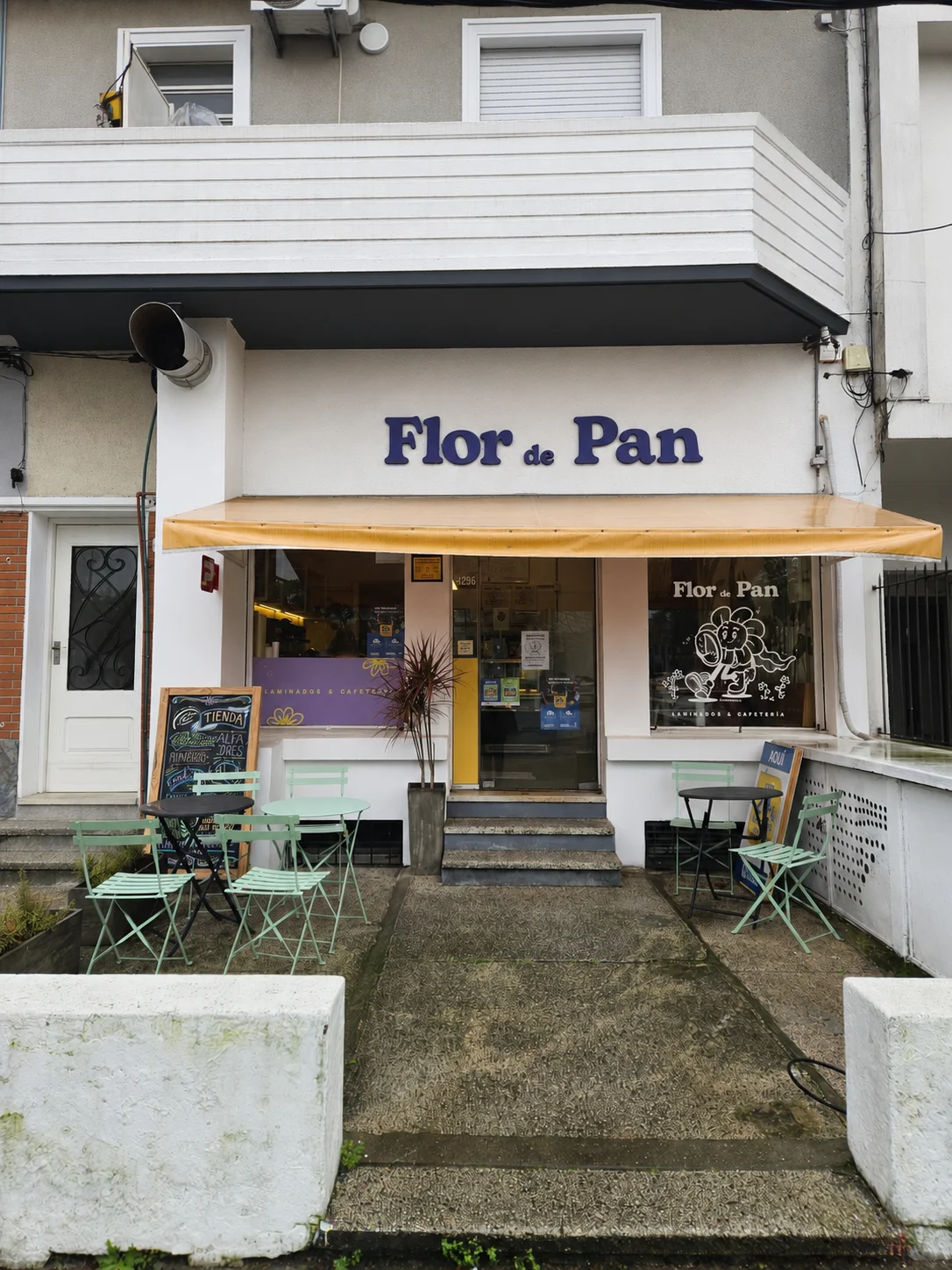
USD 58,000
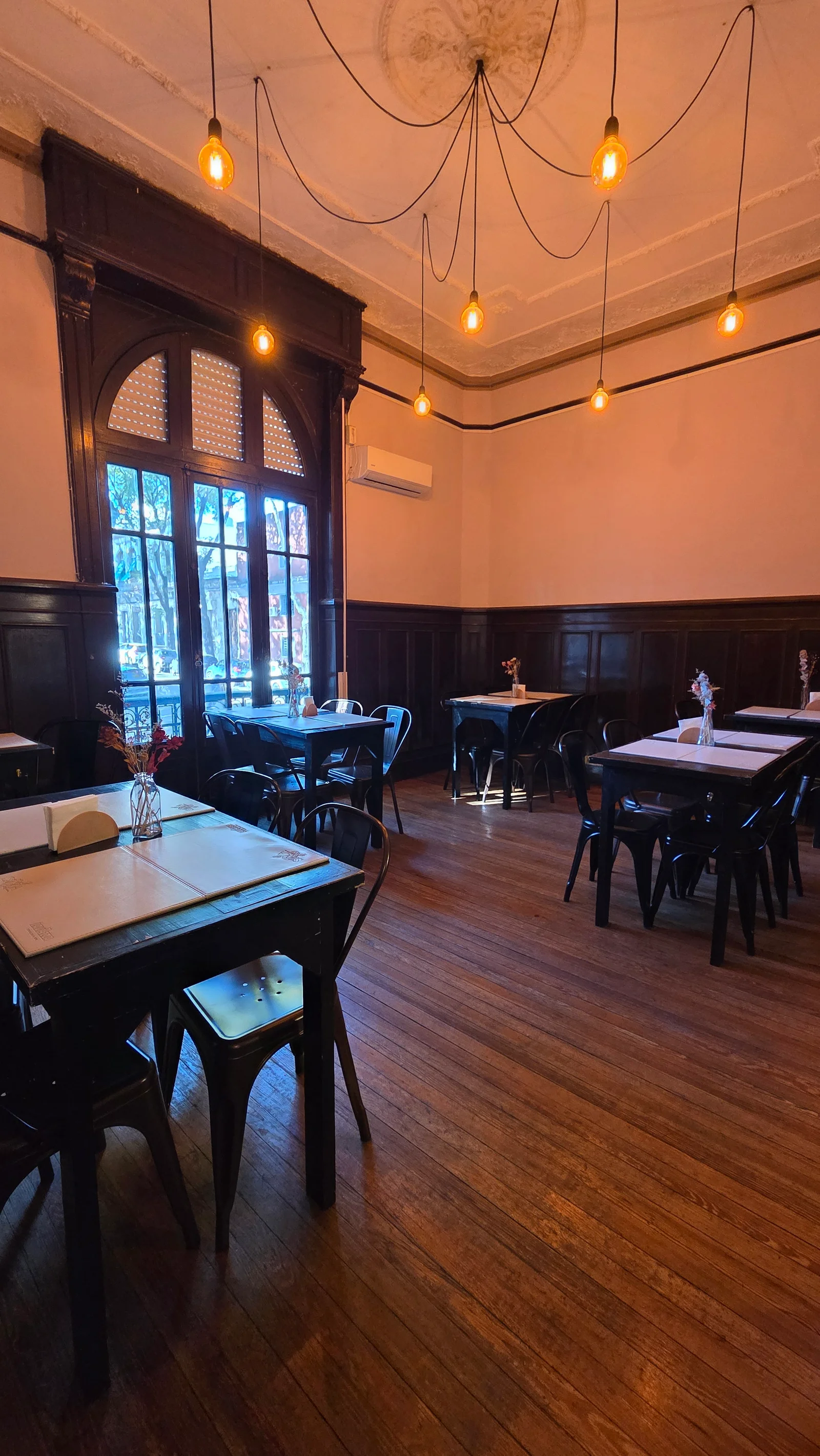
Business Transfer Sale – Specialty Coffee Shop "Flor de Pan"
Prado, Montevideo
Coffee shops and specialty cafés for sale as operating businesses. We publish each business for sale (known in Uruguay as a "llave") with its price, neighbourhood and premises details.
Guide reviewed on .
In Prado, Parque Carrasco, Centro and Cordón. The list shows the listings published right now.
USD 58,000
Prado, Montevideo
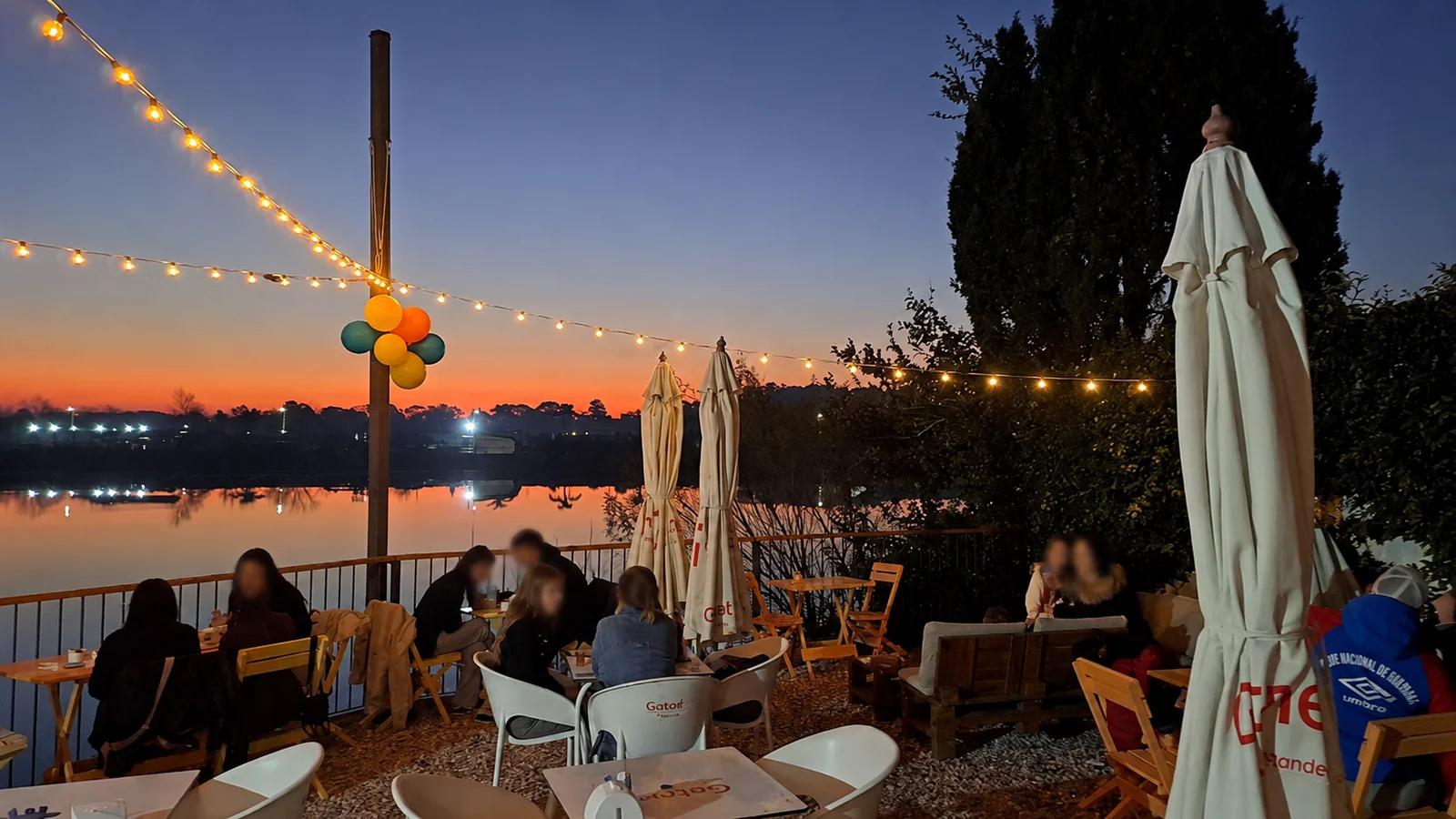
USD 80,000
Parque Carrasco, Canelones
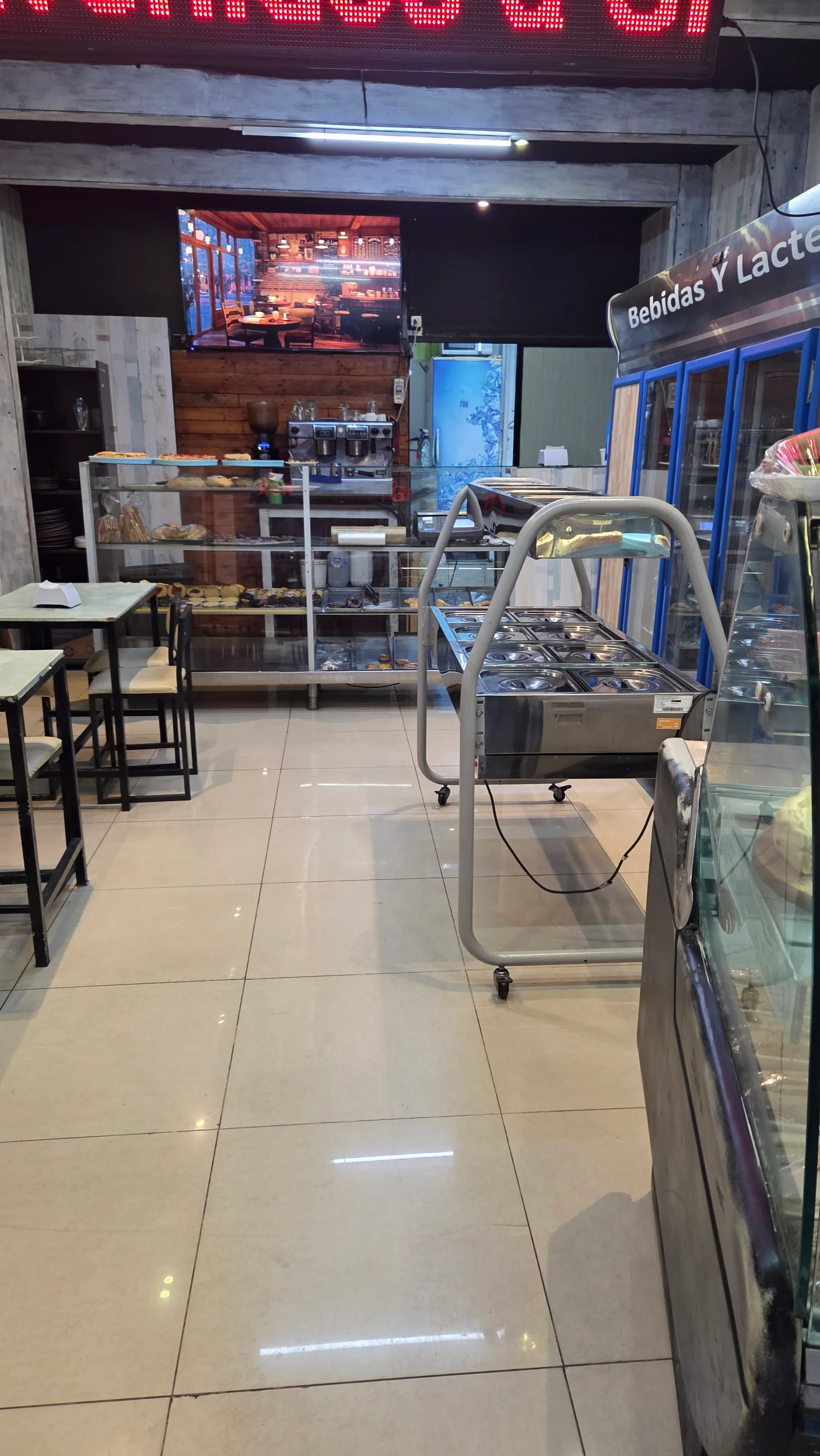
USD 25,000
Centro, Montevideo
USD 75,000
Cordón, Montevideo
The espresso machine, grinders and water filter are the equipment that matters most. Find out whether they belong to the business or are on loan from the coffee roaster (comodato): in that case they are not sold with the business, and the contract with that supplier may include exclusivity or minimum purchases. Before making an offer, it is worth knowing the main terms of that agreement.
The kilos of coffee bought from the roaster each month give a direct measure of a coffee shop's volume.
The current Reglamento Bromatológico (Uruguay's national food code) puts restaurants, eateries, takeaway food shops, pastry shops, pizzerias, grill restaurants, cafés, bars and similar places under the same general rules for their kitchens. If the coffee shop cooks food, check that the installation matches the permit. Among other requirements, kitchens must have hoods that extract smoke, odours and steam to the outside, and chimneys must rise at least three metres above the highest adjoining building (Decreto 352/999, art. 3, numeral 11.2.2). Sandwiches, short-order dishes and other food must be prepared in areas used only for that task, away from passageways and separated from the public (11.2.7).
During the assessment, it is worth looking at how sales break down by time of day and by channel: in-house, takeaway and delivery platforms. That breakdown shows when in the day the business is busy and how much it depends on each channel.
If much of the clientele is passing trade, the location weighs heavily in the goodwill. The years left on the lease and its terms are a central part of what you are buying.
Pavement tables and decks require a separate permit from the Intendencia de Montevideo (the city government). Ask whether it is current and in whose name, because it can change the real capacity of the premises.
For many coffee shops, Instagram and Google reviews are part of the value. Record in the inventory which accounts, domains and trade name are transferred.
If the coffee shop makes its own pastries, it needs the permit for that production, and the staff classification may change. If it buys them in, it is worth checking that those suppliers will continue with the new owner.
The Intendencia de Montevideo registry lists 611 premises with an active permit under the coffee shop category. Of the business types INGAR analysed, it is the most concentrated: 73% are in community districts (CCZ) 1, 2 and 5 (Ciudad Vieja and Centro, Cordón and surroundings, Pocitos, Punta Carretas and Buceo).
INGAR's calculation based on the open data of the Intendencia de Montevideo food premises registry, downloaded on September 24, 2026. The registry counts active permits, not open businesses, and a single premises can have more than one registered activity.
There is no official count of specialty coffee shops. An El Observador article from June 2025 describes their growth in Ciudad Vieja, Centro, Cordón, Parque Rodó, Punta Carretas and Pocitos, and new openings in neighbourhoods such as Jacinto Vera, La Comercial and La Blanqueada.
Cafés have their minimum wage scale in the Consejo de Salarios (wage councils), Grupo 12, subgrupo 07 (cafés, bars and pubs). If they also bake in their own production plant, another group may apply: the main activity decides.
The lease, permits, the Ley 2.904 notices, the DGI and BPS certificates and the deed: the steps common to any business purchase are in the guide to buying a business in Uruguay.
The operating business: owned equipment, furniture, stock, name, social media and customer base, and whatever is listed in the inventory. The machine and grinders are included only if they belong to the business; if they are on loan from the roaster, they are not. The premises are not included unless the listing says so.
There is no fixed formula and no rule that sets it. For a coffee shop, the main factors are what it sells and earns, the location and foot traffic, the years left on the lease and whether the equipment is owned or on loan.
If the equipment is on loan (comodato), the contract may include exclusivity or minimum purchases. It is worth knowing its terms before making an offer and whether it continues with the new owner or is renegotiated.
It depends on who owns it. If the machine and grinders belong to the business, they are in the inventory; if they are on loan from the roaster, they are not sold and the new owner has to reach an agreement with that supplier.
If the coffee shop has a kitchen, check that it is permitted for the way it operates. The Reglamento Bromatológico (Uruguay's national food code) requires, among other conditions, hoods that extract smoke, odours and steam to the outside and a chimney at least three metres above the highest adjoining building. Sandwiches and short-order dishes must be prepared in an area set aside for that task and separated from the public.
Tell us the area and the budget you have in mind. If we don't have it today, we'll let you know when one comes in.
Message us and we'll explain how we handle business sales. Message us on WhatsApp · How to sell a business in Uruguay
Sources: Reglamento Bromatológico Nacional (Decreto 315/994); Decreto 352/999 (RBN, 6.1.8 and chapter 11, section 2); Intendencia de Montevideo registry of food premises and businesses, open data (INGAR calculation). Checked on September 25, 2026. Rules and procedures change: confirm them with your escribano (notary) or accountant before signing.