
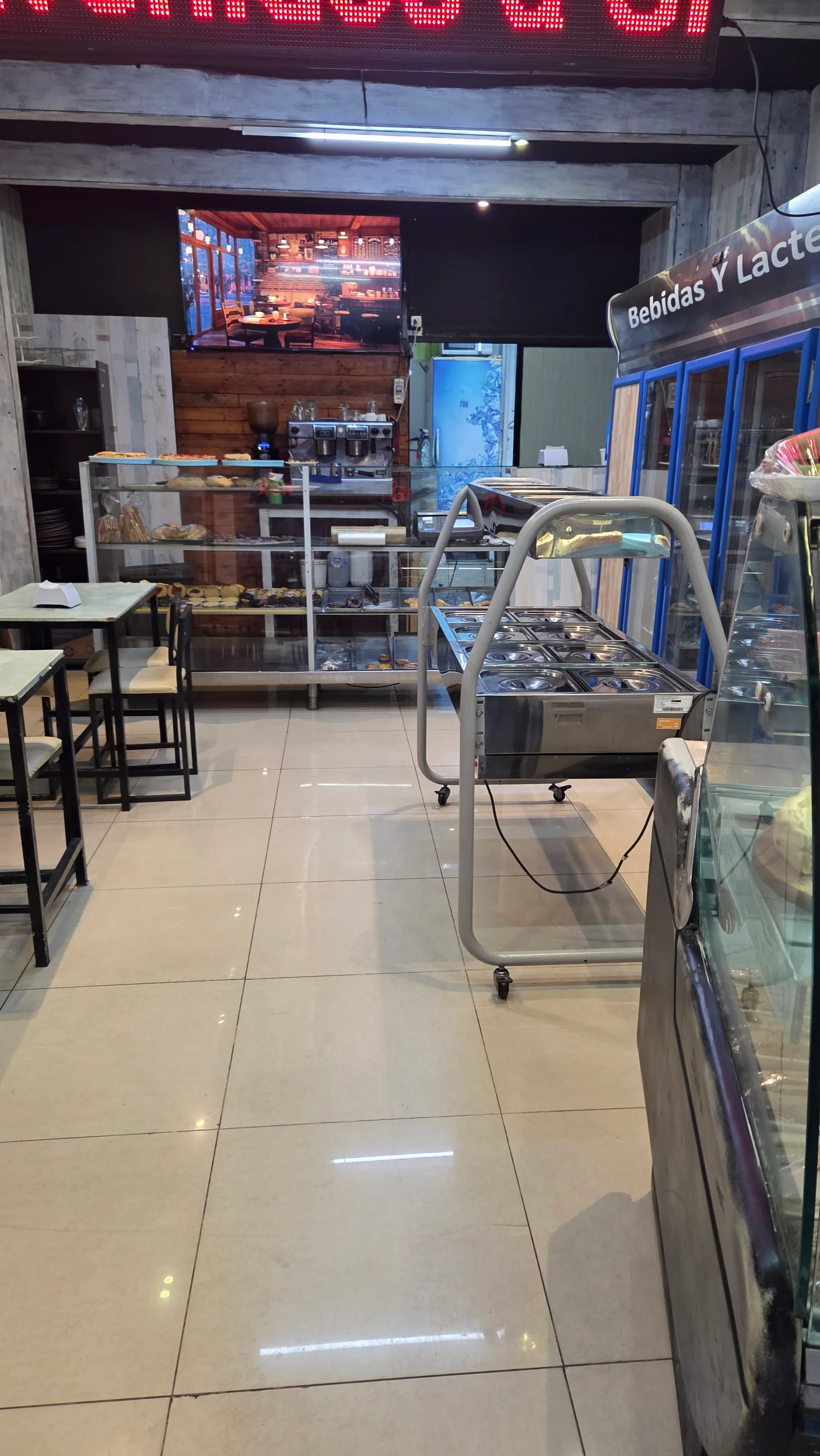
Sale
USD 25,000
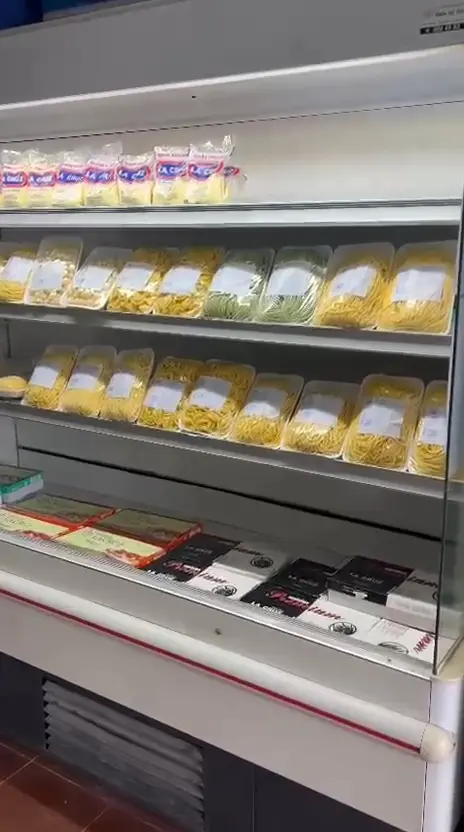
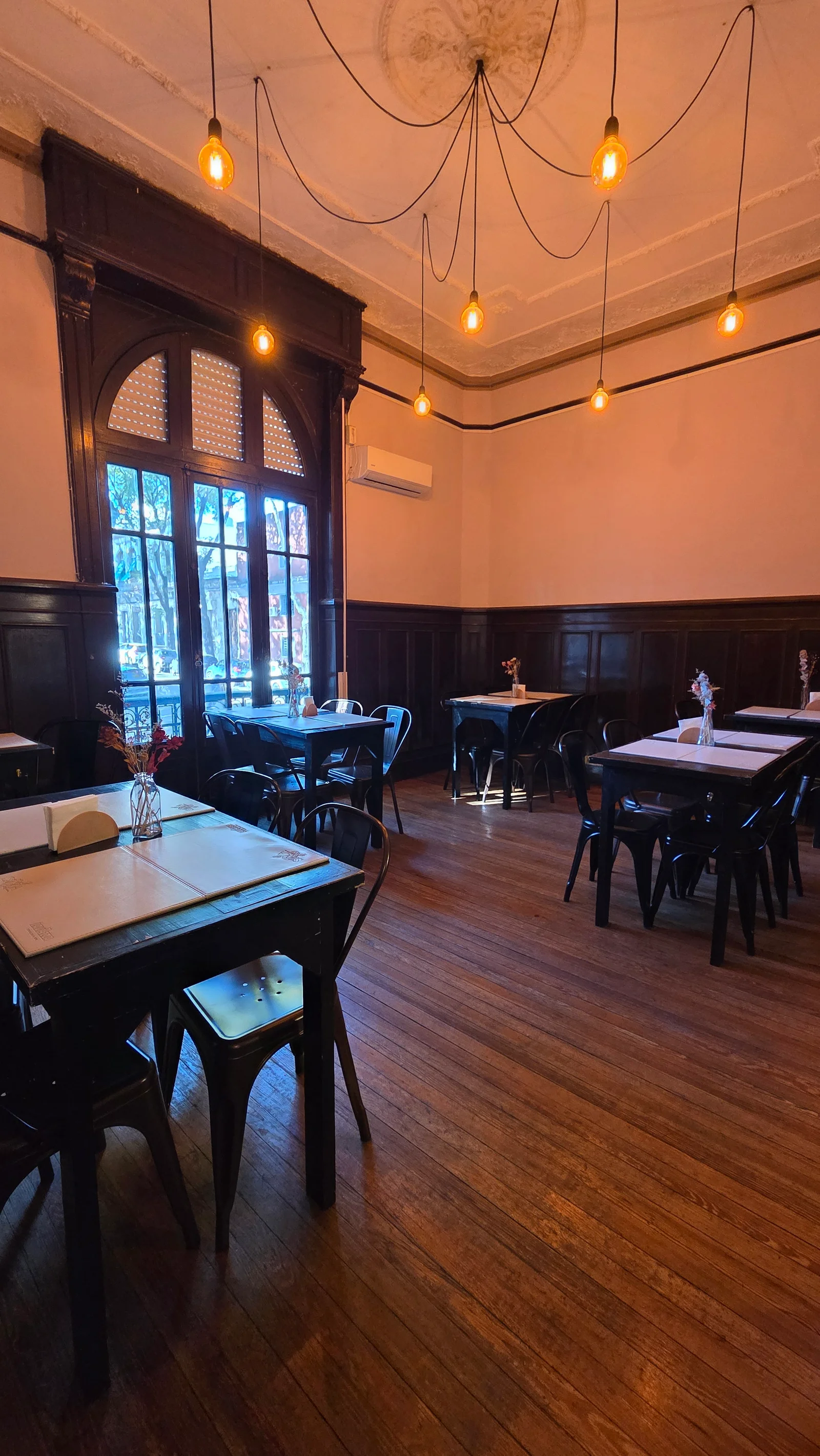
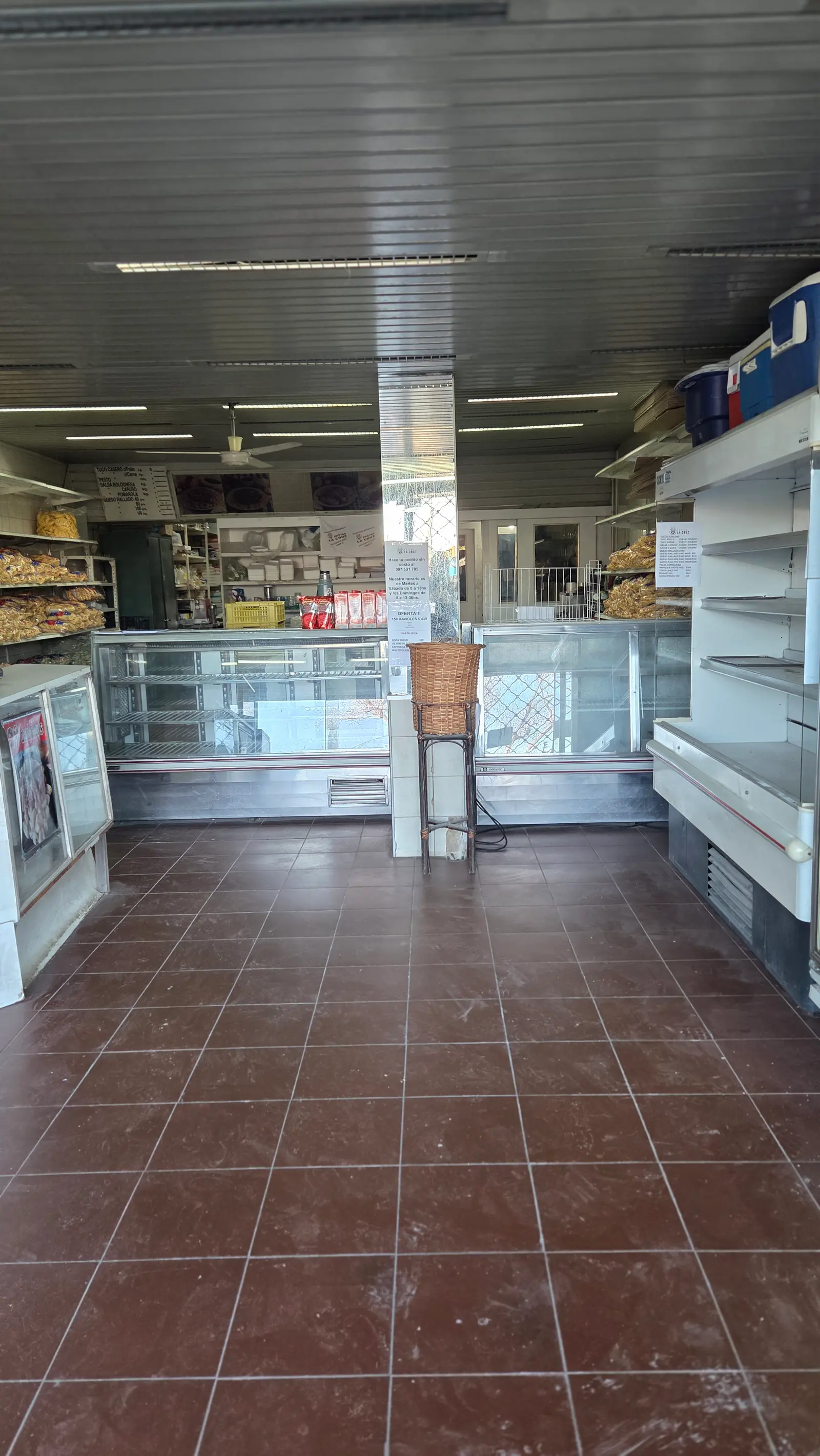
Bakery - Café - Rotisserie Business for Sale - Steps from Plaza Independencia
Centro, Montevideo, Uruguay
Going concerns with premises, equipment and customer base included. Every listing is confirmed by an INGAR advisor before it goes live.
Browse by type
Looking for a business that isn't listed? Tell us the type, area and budget and we'll let you know when one comes in. Message us on WhatsApp
9 businesses found
USD 25,000
Centro, Montevideo, Uruguay
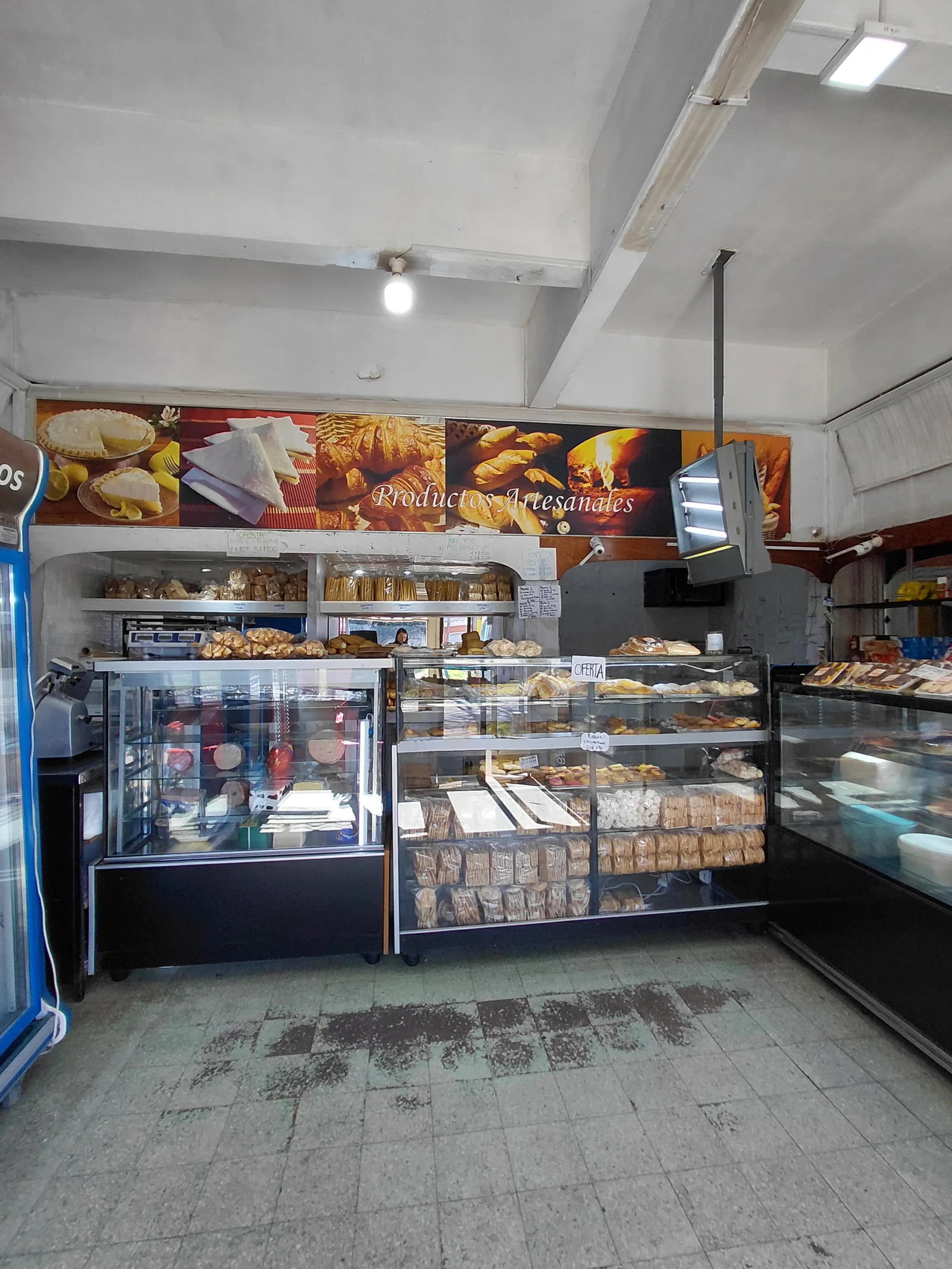
USD 45,000
Paso Molino, Montevideo, Uruguay

USD 58,000
Prado, Montevideo, Uruguay
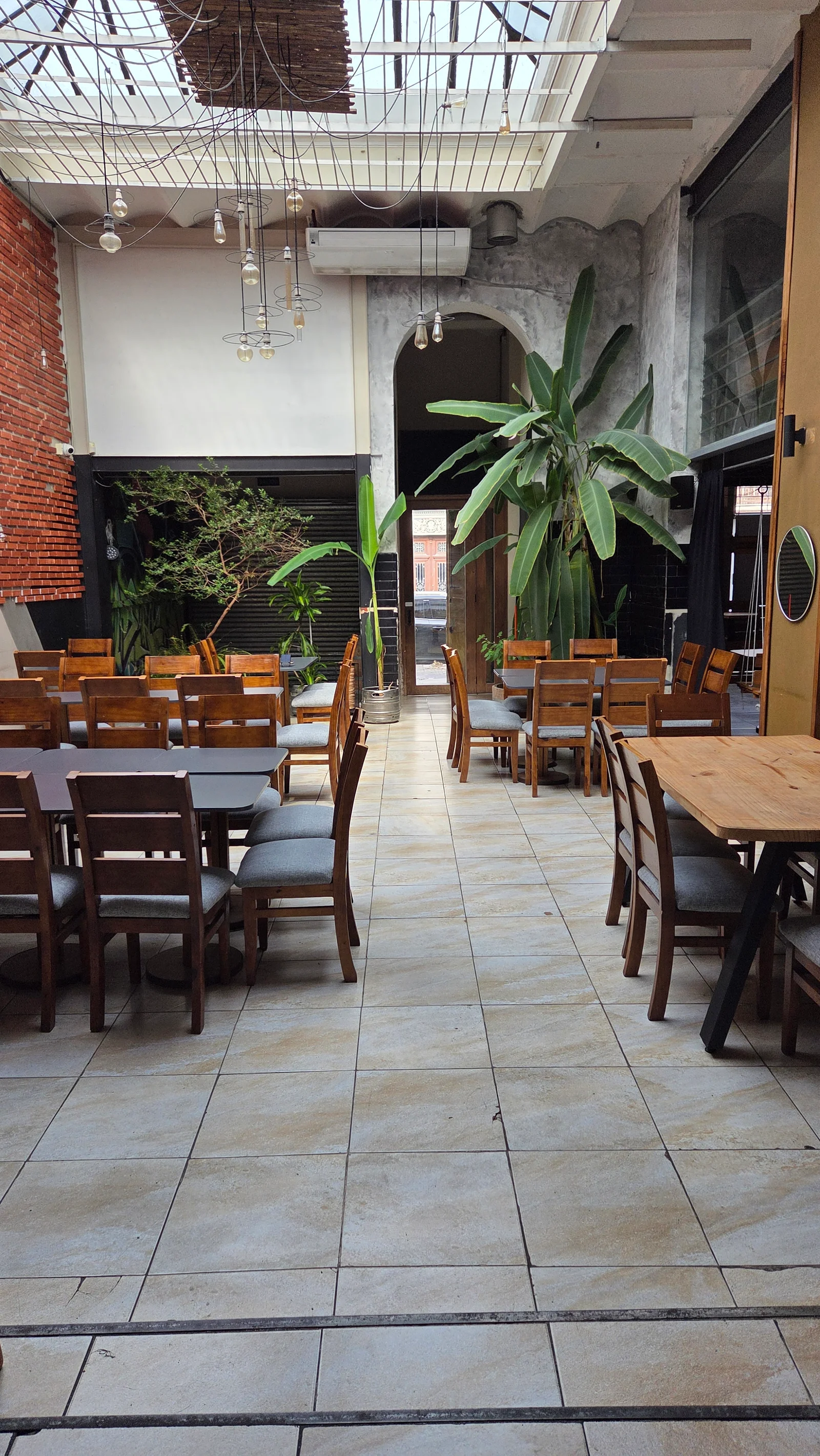
USD 59,000
Cordón, Montevideo, Uruguay
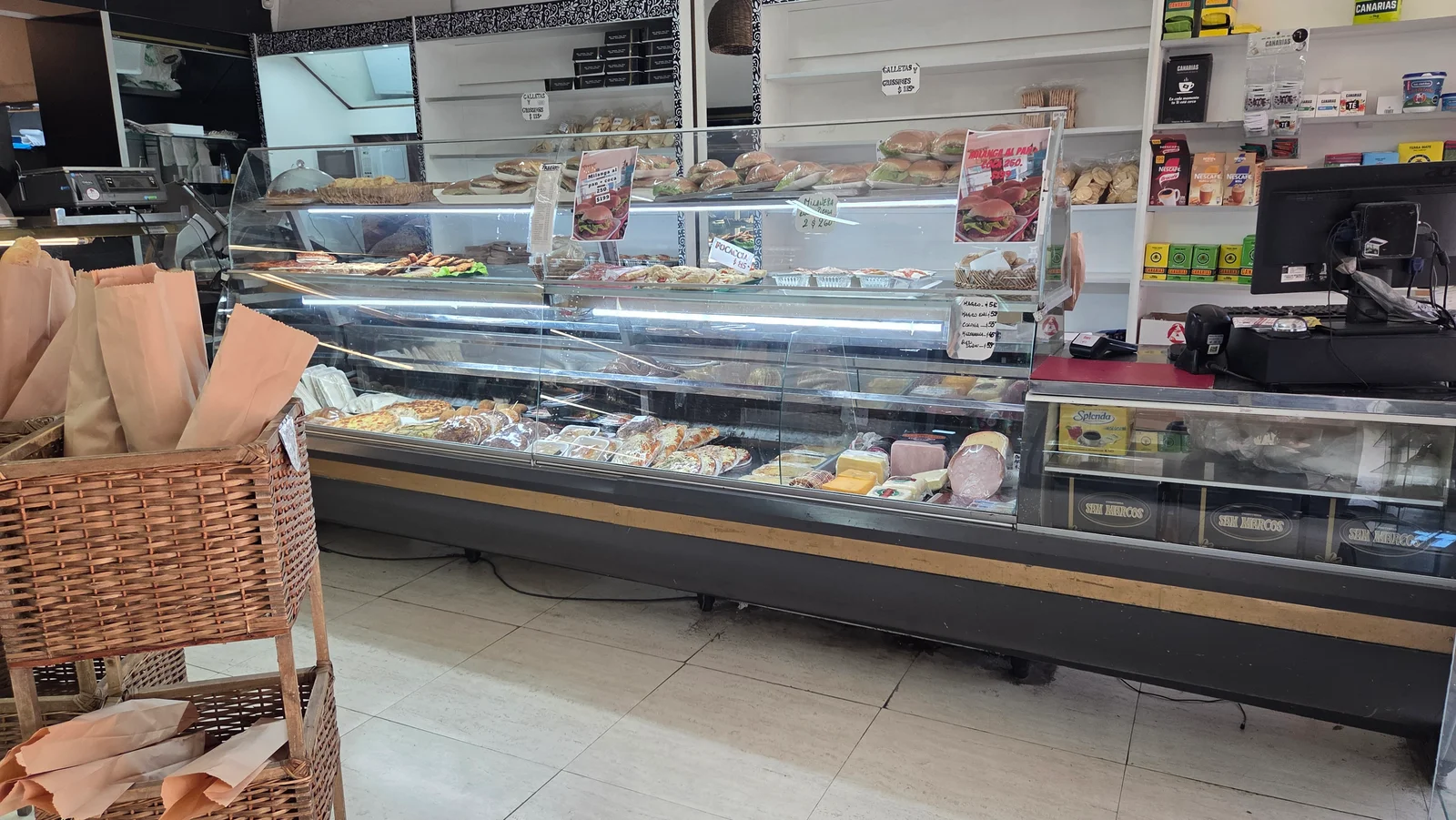
USD 65,000
La Blanqueada, Montevideo, Uruguay
USD 73,000
Carrasco Norte, Montevideo, Uruguay
USD 75,000
Cordón, Montevideo, Uruguay

USD 80,000
Parque Carrasco, Canelones, Uruguay
USD 292,000
Carrasco Norte, Montevideo, Uruguay
The steps common to any type of business, in brief. Each point links to a fuller guide.
A business's figures are backed by its documentation: tax returns, till closings, bank statements and invoices. The better supported they are, the easier it is for both sides to agree on the price.
Time remaining, rent, adjustment, guarantee and how the lease passes to the buyer (see the question about the lease, below).
In Montevideo, a change of owner requires a new commercial permit, with the premises' approved permit as a precedent (Res. 0149/22, art. 9). The Runaev (Uruguay's national food business registry) gives 90 days for the new food safety permit (art. 27). The approval from Bomberos (the national fire department) is transferred if the application is filed within 60 days and the risk does not change (Decreto 372/023). The alcohol registration is personal (Ley 19.855).
Ley 2.904 publications, and the seller's special certificates from DGI (the tax agency) and BPS (the social security agency), which the escribano (notary) checks.
Pay slips, the work schedule record, social security contributions, pending leave and aguinaldo (the year-end bonus), and what is agreed on each point in the contract.
A signed list of what is transferred, and a report from the Registro de Prendas sin Desplazamiento (the registry of equipment pledges) on the equipment.
If there is a gap between the agreement and the deed, the parties can document it with a promise to sell (promesa). From its registration in the Registro Nacional de Comercio (national commercial registry), the promesa gives the buyer the protection provided by Decreto-Ley 14.433 against later sales, charges or attachments. The final sale of the business is made by public deed (escritura pública).
The transfer, step by step · 12-point checklist before you buy
In everyday use, yes: in Uruguay people say llave, and in Argentina fondo de comercio, for the sale of a going concern. Strictly speaking, the goodwill (valor llave) is the part of the price paid above the assets, for the customer base and the location.
It depends on the contract. The law provides for cases in which the lease is assigned together with the sale of the business, with notice to the landlord, and since 2026 commercial leases are governed by freedom of contract. The escribano (notary) confirms what applies; the safest course is to reach signing with the situation of the premises settled in writing.
It depends on the seller: sometimes part of the price is agreed to be paid in instalments and documented in a registered promise to sell (promesa). Decreto-Ley 14.433 sets rules for that case: default only runs 30 days after a court or notarial demand for payment, and the forfeiture clause (pacto comisorio) or condition subsequent lapses once half the price has been paid.
Ley 2.904 provides for publications so that creditors come forward before the sale, and makes the buyer liable, together with the seller, for the debts recorded in the books or presented within that period, and for all of them if the publications are not made. Special certificates from DGI (the tax agency) and BPS (the social security agency) are also requested. The escribano (notary) takes care of this.
Sources: Ley 2.904; Decreto-Ley 14.433; Decreto-Ley 14.219; Ley 20.446, art. 689; T.O. DGI 2023, título 1, art. 149; Ley 16.170, arts. 664 to 668; Runaev regulations, art. 27; Resolución IM 0149/22, art. 9; Decreto 372/023, art. 11.6; Ley 19.855. Checked on September 25, 2026. Rules and procedures change: confirm them with your escribano (notary) or accountant before signing.