Sale
USD 59,000
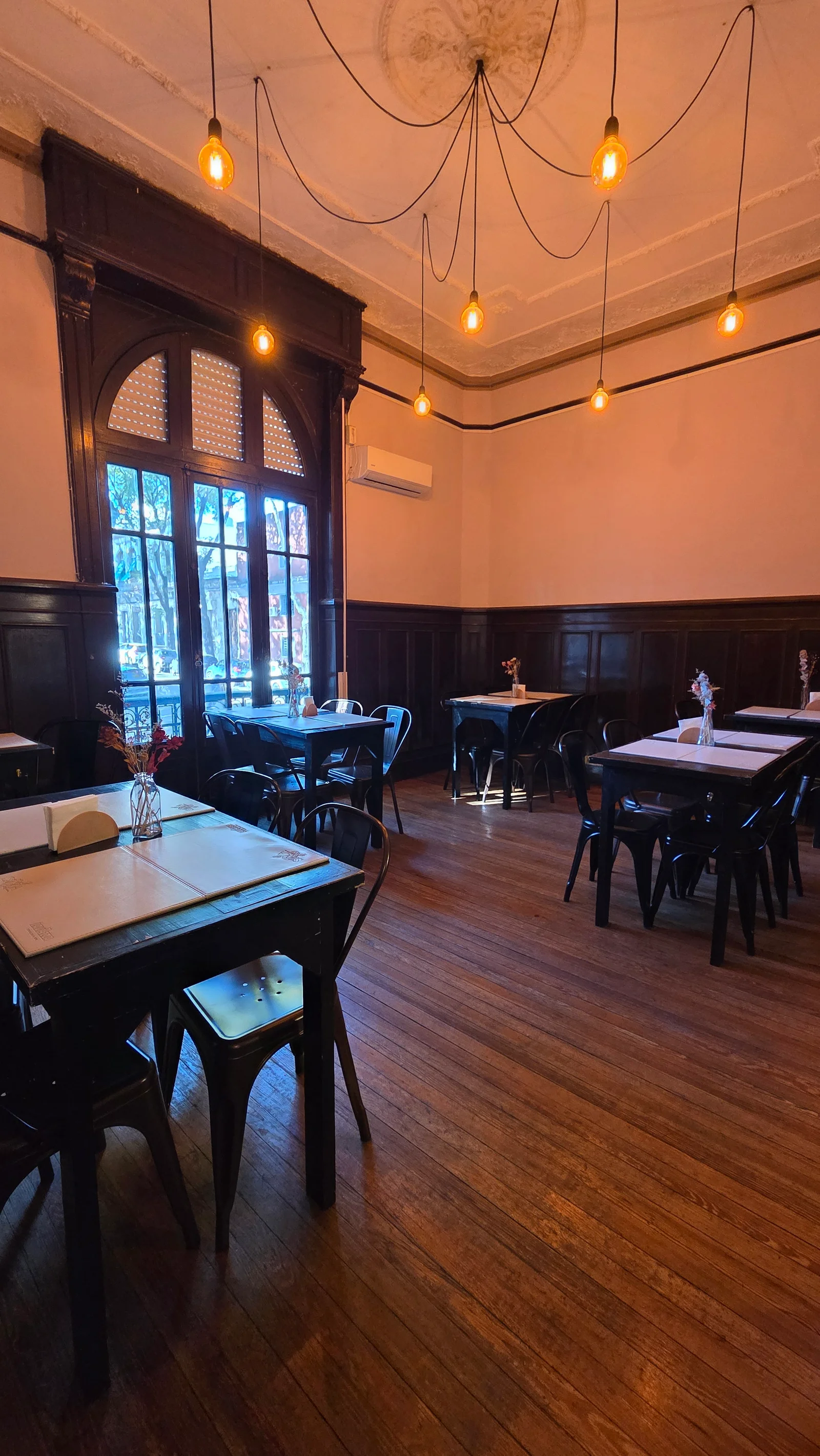
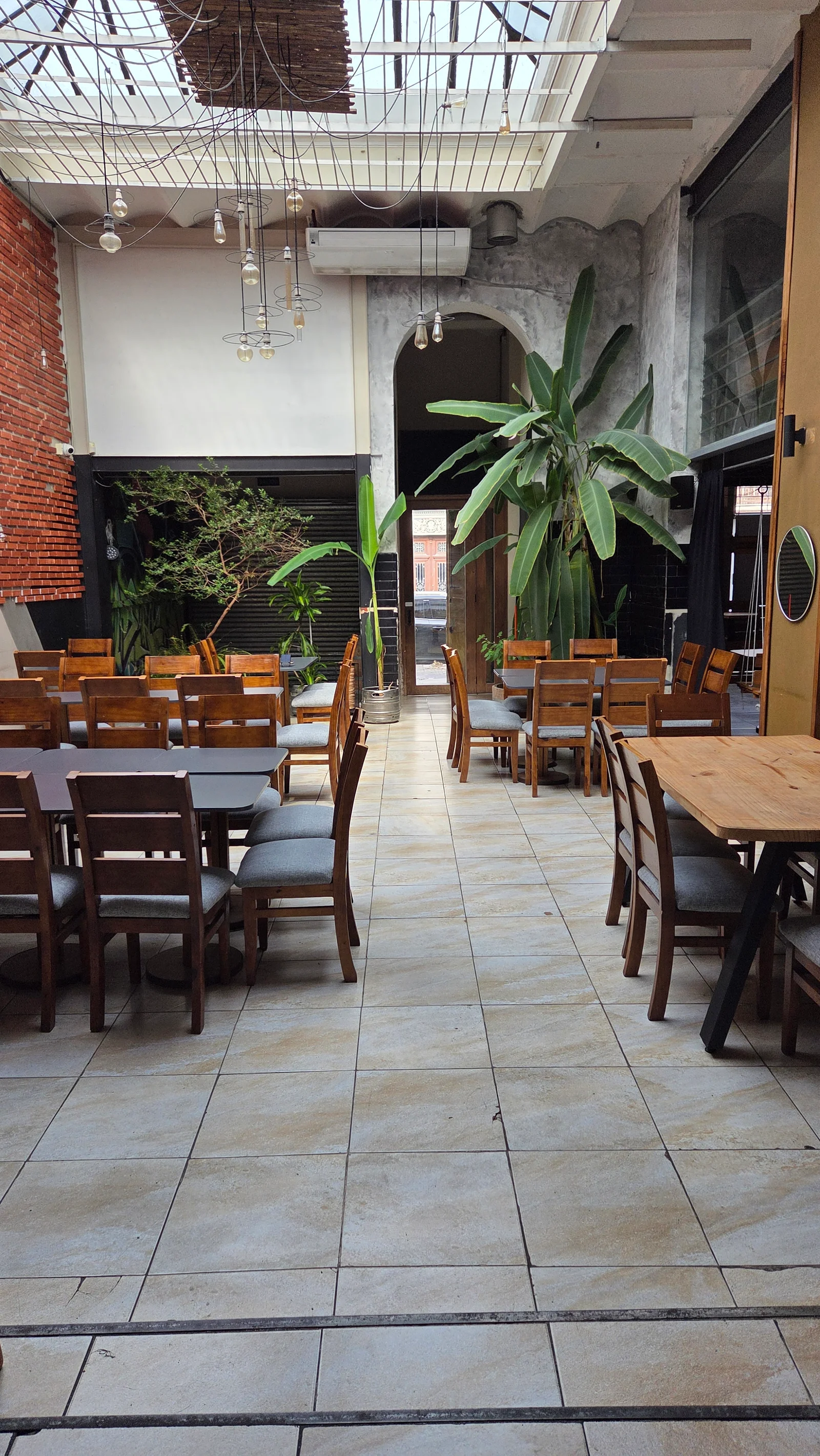
Sale of Key Money for Important Gastronomic and Events Venue in Cordón
Cordón, Montevideo
Restaurants, grill restaurants (parrillas) and other food service businesses for sale as operating businesses. We publish each business for sale (known in Uruguay as a "llave") with its price, neighbourhood and premises details.
Guide reviewed on .
In Cordón. The list shows the listings published right now.
The current Reglamento Bromatológico (Uruguay's national food code) allows restaurant kitchens in basements or below-ground levels if they meet special requirements for lighting, ventilation, access, insulation and waste discharge (Decreto 352/999, arts. 1 and 3). Kitchens must also meet the relevant conditions for hoods, extraction, chimney, surfaces and other installations. Before buying, confirm that the kitchen is permitted for the way it operates today and, if there have been alterations, that the premises' documentation reflects the current situation.
It is worth having a technician inspect the hood, duct, cold rooms and grease trap before signing: repairs to these installations can be expensive.
During the assessment, it is worth looking at how sales split between dining room, delivery and events, and at the till closings for each service. If there is delivery through platforms, their reports show volume and commissions.
It is worth knowing who runs the kitchen, whether they stay on after the sale and how much the menu depends on that person. If the owner cooks, it may be worth agreeing on a handover period.
In Montevideo, a restaurant or bar with amplified music or shows above 60 decibels falls into category C and needs acoustic insulation; with non-amplified shows of up to 60 decibels it is category D and insulation is not required (Decreto JDM 36.615). If part of the sales depends on music, check that documentation.
Premises categories (D.2856.3) · Acoustic insulation (D.3146.36)
If there are fridges, beer taps or display coolers on loan (comodato) from drinks suppliers, they are not sold with the business, and the agreement may include exclusivity. It is worth checking which agreements continue and on what terms.
Pavement tables and decks require a separate permit from the Intendencia de Montevideo (the city government). Ask whether it is current and in whose name.
In the assessment, covers per sitting (lunch and dinner) compared with the capacity approved by Bomberos (the national fire department) show how much of the dining room is used and when.
The Intendencia de Montevideo registry lists 426 premises with an active permit under the restaurant category; adding grill restaurants and pizzerias, 817. 70% of those under the restaurant category are in community districts (CCZ) 1, 2 and 5 (Ciudad Vieja and Centro, Cordón and surroundings, Pocitos, Punta Carretas and Buceo).
INGAR's calculation based on the open data of the Intendencia de Montevideo food premises registry, downloaded on September 24, 2026. The registry counts active permits, not open businesses, and a single premises can have more than one registered activity.
Restaurants have their minimum wage scale in the Consejo de Salarios (wage councils), Grupo 12, subgrupo 04 (restaurants, grill restaurants and canteens). According to a 2024 Ministry of Labour report, eight in ten people working in food service do so in companies with fewer than 20 employees, and access to skilled staff appears as the sector's main challenge.
The main trade association is the Asociación de Hoteles y Restaurantes del Uruguay (AHRU), founded in 1920.
The lease, permits, the Ley 2.904 notices, the DGI and BPS certificates and the deed: the steps common to any business purchase are in the guide to buying a business in Uruguay.
The operating business: the kitchen and its equipment, furniture, tableware, stock, name, menu, social media and customer base, and whatever is listed in the inventory. Items on loan from suppliers and the premises are not included unless the listing says so.
There is no fixed formula and no rule that sets it. For a restaurant, the main factors are what it sells and earns by channel, the condition of the kitchen and its installations, the permitted capacity, key staff and the years left on the lease.
Yes, with conditions. In Montevideo, with amplified music or shows above 60 decibels the premises is category C and needs acoustic insulation; with non-amplified shows of up to 60 decibels it is category D.
That it is permitted for the way it operates today. The Reglamento Bromatológico (Uruguay's national food code) allows kitchens in basements or below-ground levels if they meet special requirements, and sets conditions for the hood, extraction and chimney. The condition of the hood, duct, cold rooms and other installations is best checked by a technician.
Only if they belong to the business. If they are on loan from the drinks supplier, they remain the supplier's property. The inventory must separate what is owned from what is on loan.
Tell us the area and the budget you have in mind. If we don't have it today, we'll let you know when one comes in.
Message us and we'll explain how we handle business sales. Message us on WhatsApp · How to sell a business in Uruguay
Sources: Reglamento Bromatológico Nacional (Decreto 315/994); Decreto 352/999 (RBN, 6.1.8 and chapter 11, section 2); Intendencia de Montevideo registry of food premises and businesses, open data (INGAR calculation); Decreto JDM 36.615 (Digesto, D.2856.3 and D.3146.30 to D.3146.38); MTSS (Ministry of Labour), food service sector report (2024). Checked on September 25, 2026. Rules and procedures change: confirm them with your escribano (notary) or accountant before signing.