Sale
USD 292,000
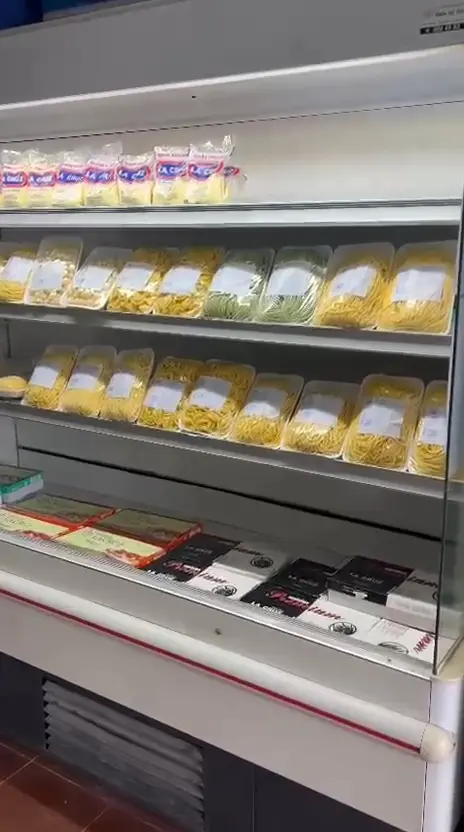
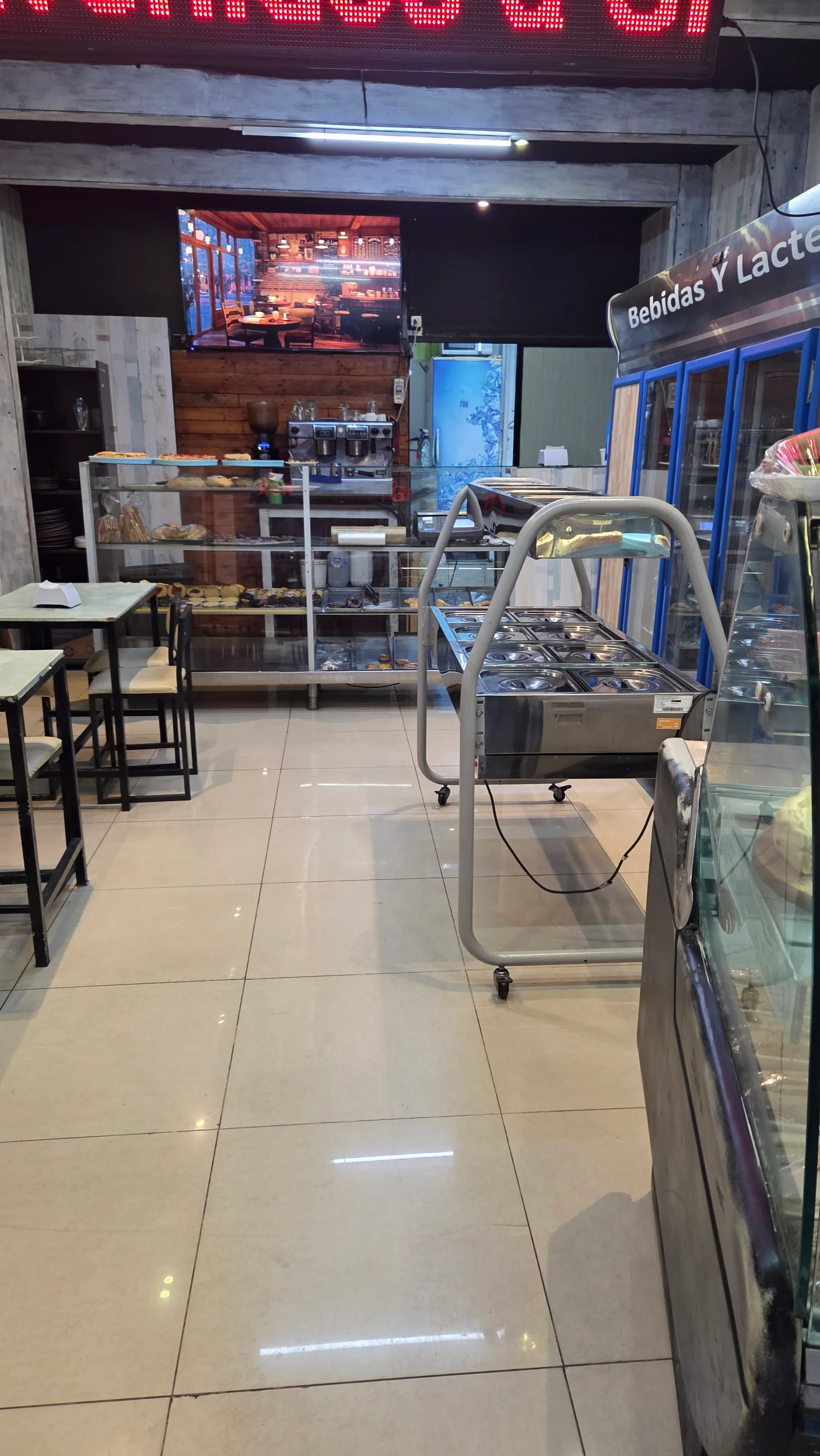
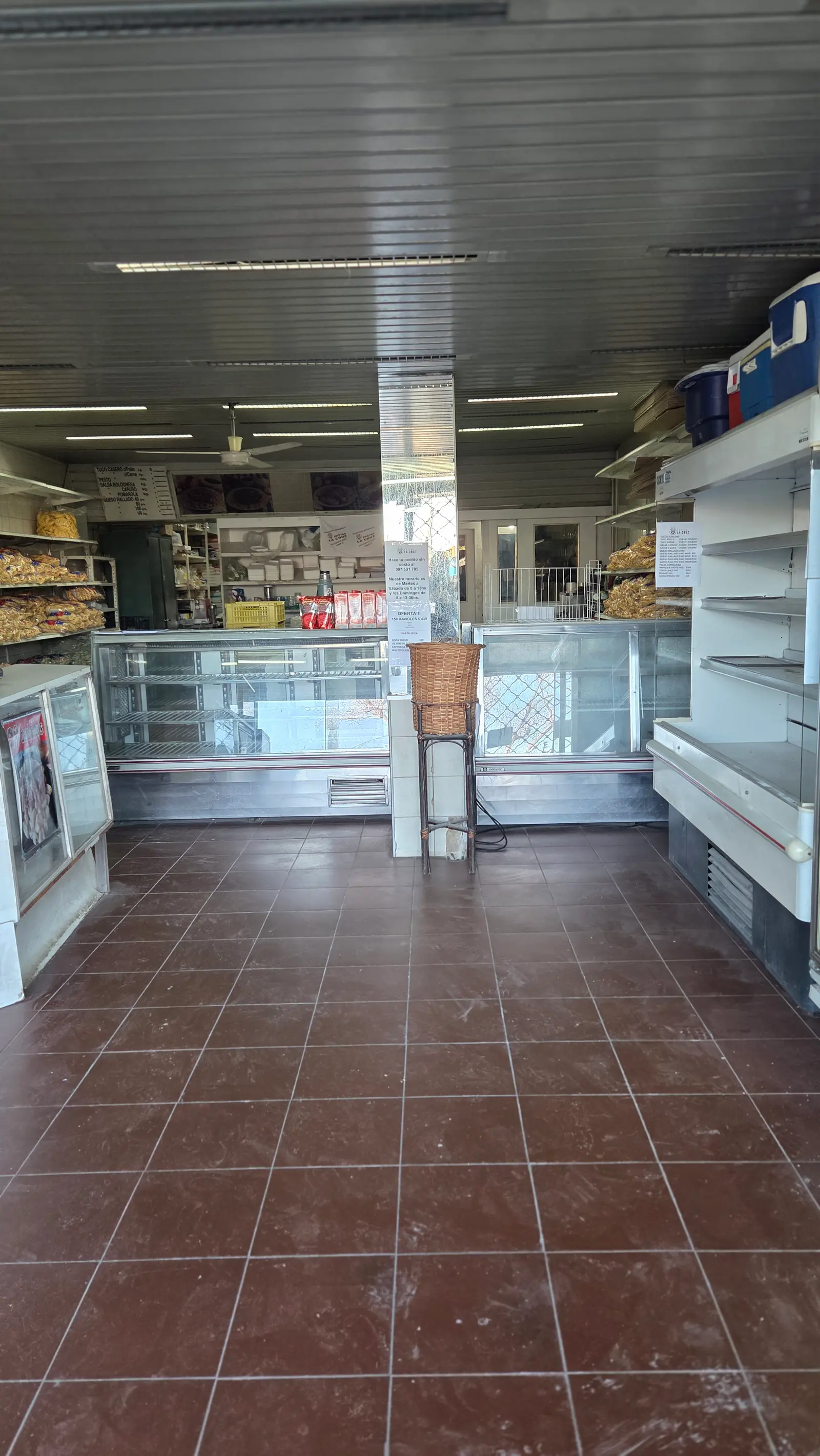
Business Key Sale with Purchase Option – Pasta Factory
Carrasco Norte, Montevideo
Takeaway food shops (rotiserías), fresh pasta makers and ready-meal businesses for sale as operating businesses. We publish each business for sale (known in Uruguay as a "llave") with its price, neighbourhood and premises details.
Guide reviewed on .
In Carrasco Norte and Centro. The list shows the listings published right now.
For the Consejo de Salarios (wage councils) they are not the same: a pasta factory is food industry (Grupo 1, subgrupo 12, capítulo 02) and a takeaway shop is food service (Grupo 12, subgrupo 08). The staff's minimum wage scale changes, so it is worth knowing how the business is classified and whether that matches what it does.
The Reglamento Bromatológico (Uruguay's national food code) requires fresh pasta to be sold within 24 hours of being made, unless it is pasteurised and vacuum-packed, and filled pasta to be kept refrigerated; fillings are used within 24 hours (18.4.9 and 18.4.10). Cold rooms, fridges and display cases are a central part of what you buy: ask for their age and last service.
Pasta sheeter, ravioli machine and dough mixer in a pasta factory; stove and hood in a takeaway shop. In the inventory, separate what is owned from what is on loan.
To sell to restaurants or grocery shops, each product must be registered with the food safety office before it goes on sale. If the business already sells to other businesses, it is worth checking how much those sales weigh in revenue and whether those relationships will continue.
At an advanced stage of the assessment, sales by day of the week and by month over the last year show how the work is spread and which days carry the business.
Once the deal is on track, it is worth knowing who does the cooking, whether they stay on after the sale and whether the recipes are part of what is transferred. If the owner is the cook, it may be worth agreeing on a handover period.
Some listings include the premises or an option to buy them. In that case there are two transactions, one for the business and one for the property, and only the property transaction pays the Impuesto a las Trasmisiones Patrimoniales (property transfer tax).
If the company is registered in the industrial production category and the production area exceeds 100 square metres, the Runaev (Uruguay's national food business registry) requires a technical representative (art. 16). Ask how it is registered and who fills that role.
The Intendencia de Montevideo (the city government) registry lists 909 premises with an active permit under the takeaway food category (many are supermarkets with a takeaway section) and 57 under the fresh pasta category. Some pasta factories are registered only as takeaway shops.
INGAR's calculation based on the open data of the Intendencia de Montevideo food premises registry, downloaded on September 24, 2026. The registry counts active permits, not open businesses, and a single premises can have more than one registered activity.
The Cámara Uruguaya de Fabricantes de Pastas (the pasta makers' chamber) has existed since 1937 and represents employers in the Consejo de Salarios for pasta factories. We found no trade association specific to takeaway shops.
The lease, permits, the Ley 2.904 notices, the DGI and BPS certificates and the deed: the steps common to any business purchase are in the guide to buying a business in Uruguay.
The operating business: production and refrigeration equipment, counters, stock, recipes if agreed, name, customers and whatever is listed in the inventory. The premises are not included unless the listing says so; some listings offer them separately.
There is no fixed formula and no rule that sets it. For a takeaway shop or pasta factory, the main factors are what it sells and earns, whether it also sells to other businesses, the condition of the cold chain and the years left on the lease, or the price of the premises if you buy them.
The Reglamento Bromatológico (Uruguay's national food code) requires it to be sold within 24 hours of being made, unless it is pasteurised and vacuum-packed. Filled pasta is kept refrigerated.
The buying process is the same. What changes is the classification: a pasta factory is food industry and a takeaway shop is food service, with different minimum wage scales for staff.
Yes, if each product is registered with the food safety office before it goes on sale. If the business already sells to other businesses, it is worth checking those registrations and how much those sales weigh.
Tell us the area and the budget you have in mind. If we don't have it today, we'll let you know when one comes in.
Message us and we'll explain how we handle business sales. Message us on WhatsApp · How to sell a business in Uruguay
Sources: Reglamento Bromatológico Nacional (Decreto 315/994); Intendencia de Montevideo registry of food premises and businesses, open data (INGAR calculation). Checked on September 25, 2026. Rules and procedures change: confirm them with your escribano (notary) or accountant before signing.