Selling a house or a chacra in Colonia: papers, taxes and Colonización
Short answer
To sell in Colonia, gather before listing the papers a buyer of that type of property will ask for: heritage permits in the Barrio Histórico; survey, access, water and status with the Instituto Nacional de Colonización on a chacra (small farm). The seller pays 2% ITP and 12% IRPF on the gain (IRNR if not resident in Uruguay). The sale of your permanent home, including the part of a farm that is your permanent home, can be exempt up to 1,200,000 UI if you reinvest at least half in another home within 12 months.
Thinking of selling a house or a chacra in Colonia? We help you put the paperwork together and work out what you keep after taxes, and we handle the sale. Message us on WhatsApp with the padrón number, the town and the type of property.
What the buyer will ask for, by type of property
| Property | What to have ready before listing |
|---|---|
| House in the Barrio Histórico | Approvals for past works from the MEC and the Intendencia, the padrón's protection status, approved plans |
| Town house (Colonia, Carmelo, Nueva Helvecia, Rosario) | Title, survey plan, building permits, property tax paid up, utility bills |
| Chacra | Survey, access by public road or a registered easement, documented water supply, the padrón's CONEAT rating, electricity |
| Farm of 200 ha CONEAT 100 or more, or a padrón within a colonia | All of the above, plus the prior offer to or authorization from the Instituto Nacional de Colonización |
| Holiday house | Property tax, upkeep and repairs from recent years; if it was rented out, what was collected, not the nights offered |
Ask your escribano (notary) to review the title, liens, easements, estates or powers of attorney, and debts. The contribución inmobiliaria (property tax) must be paid up: the Intendencia de Colonia (departmental government) will not collect the current year if earlier years are owed, and the Certificado Único Departamental is processed at its offices, according to its page on urban and suburban property tax.
If a room was enclosed, a shed was turned into living space or the access crosses another property, find out how to document it before you advertise the floor area. The buyer and their bank will check what you published against plans, titles and the padrón's cédula catastral (cadastral certificate).
In the Barrio Histórico, permits sell
UNESCO notes that every building in the Barrio Histórico is a Monumento Histórico Nacional (national historic monument). Any buyer picturing a renovation will ask what can be changed.
- Gather the approvals for works already done.
- If you plan to advertise "renovation potential", first look into the authorization process with the MEC (Ministry of Education and Culture).
- For a property in the buffer zone, ask the Intendencia for the padrón's status.
What buyers look for there, and which listings were published as of September 26, 2026, is covered in the guide to buying a house in Colonia del Sacramento.
On a chacra or a farm: Colonización and water
In 2025, Colonia had the highest average in the country for rural sales of 10 ha or more, USD 9,707/ha according to the MGAP (agriculture ministry). A small chacra needs its own comparables; the detail of that series and how to read it is in the guide to buying a chacra in Colonia.
Two rules in Ley 11.029 can stop a sale:
- A farm equal to or larger than the equivalent of 200 ha CONEAT 100 must first be offered to the INC, which has 20 business days to respond. If this step is skipped, the sale can be void and a fine applies.
- A padrón that is part of a colonia (a state land settlement) needs prior INC authorization to be sold (art. 70), even if it is smaller.
Have the survey, access, water, improvements and the CONEAT rating by padrón (the official soil productivity index) at hand. If the rural padrón has the property tax exemption for holdings of up to 50 ha CONEAT, tell the buyer and clarify it with the Intendencia: it depends on the owner.
What you keep: taxes and commission
ITP
In a sale, the ITP (property transfer tax) is 2% for the seller and 2% for the buyer, on the lower of the updated Catastro real value and the price.
IRPF or IRNR
A resident individual pays 12% IRPF (personal income tax) on the taxable gain. If you bought before July 1, 2007, you can opt for the deemed calculation. On a town house, when the price exceeds the real value, the deemed method gives 1.8% of the price.
For a rural property bought before that date, the deemed gain is calculated differently: 15% of the market value as of July 1, 2007 (the price deflated with the IMIPVIR rural price index) plus the positive difference with the price, according to the DGI page on rural properties.
If you sell without being a tax resident, IRNR (non-resident income tax) applies at 12% and the escribano withholds it. The general explanation of actual versus deemed gain is in the mistakes to avoid when selling a property and in the guide to property taxes.
Permanent home exemption, on farms too
If you sell your permanent home, the gain is exempt when all of these conditions are met together:
- The property sold does not exceed 1,200,000 UI (indexed units).
- You put at least 50% toward buying another permanent home.
- No more than 12 months pass between the sale and the purchase.
- The new home does not exceed 1,800,000 UI.
The DGI (tax authority) applies the same exemption to a rural property, but only for the part that is your permanent home. It does not apply to a weekend chacra, because that is not a permanent home. In every case the escribano still withholds the tax, and you then claim the refund from the DGI.
Commission
The fee schedule published by the Cámara Inmobiliaria Uruguaya in 2007 sets 3% of the price for each party, plus VAT. Agree in writing on the fee of whoever markets your property in Colonia. What changes if you sell without an intermediary is covered in selling on your own or through an agency.
With those numbers, write down the asking price, the acceptable range and your minimum net. Ask the escribano for the tax calculation based on your purchase date and tax status before you set the price.
Price, presentation and offers
For the price, ask for comparables of the same area and type, and keep listings separate from closed sales; the property appraisal guide explains how it is done. For photos, viewings and repairs before listing, use the guide to preparing your property for sale.
When an offer arrives, compare the net amount, payment method, conditions and handover date. A higher offer that depends on an uncertain loan, or on works the buyer believes are approved, may be worth less than a documented one. Your escribano reviews the reservation agreement before you sign it.
If you are selling from Argentina or you are an heir
If you sign through a power of attorney, confirm with the escribano that the power is valid and what identification is required. Agree on the currency, receiving account, transfer costs and the date the money must be available; if the buyer pays from Argentina, the guide to transferring money from Argentina explains the options.
If the title is still in the name of a deceased person, the sale waits for the estate to be settled: what happens to a property in probate.
Frequently asked questions
What taxes does the seller of a house in Colonia pay?
The seller pays 2% ITP on the lower of the updated Catastro real value and the price. A resident individual also pays 12% IRPF on the gain; a seller who does not live in Uruguay pays 12% IRNR, withheld by the escribano. If you bought before July 1, 2007, you can opt for the deemed gain, which on a town house gives 1.8% of the price when the price exceeds the Catastro real value.
Do I pay IRPF if I sell the chacra I live on?
Possibly not. The DGI exempts the sale of a rural property for the part that is your permanent home, with the same caps as in town: a sale of up to 1,200,000 UI, at least 50% reinvested in another permanent home of up to 1,800,000 UI and no more than 12 months between the two transactions. The rest of the farm is taxed as usual, and a weekend chacra does not qualify.
Do I have to offer the farm to the Instituto Nacional de Colonización?
In Colonia, yes, if the farm is equal to or larger than the equivalent of 200 ha CONEAT 100, and in certain cases of adjoining padrones set out in article 35 of Ley 11.029. The INC has 20 business days to respond, and skipping the offer can make the sale void and trigger a fine of 25% of the real value. If the padrón is part of a colonia, prior authorization is also required.
How much does a real estate agency charge to sell in Colonia?
The fee schedule published by the Cámara Inmobiliaria Uruguaya in 2007 sets 3% of the price for each party, seller and buyer, plus VAT on that fee. It is a reference: the percentage is agreed with each agent. Put it in writing, along with what it includes (listing, viewings, photos) and the term of the sale authorization.
What should I do if I am an heir or live abroad?
Ask the escribano to identify all the heirs, review the estate and the registration of the declaration of heirs or the probate certificate (certificado de resultancias de autos), and confirm who can sign. If you live abroad, check the validity of the power of attorney and how you will get paid well in advance. Each heir may have a different tax status, resident or non-resident.
Further reading:
- Buying a chacra in Colonia: eight checks
- Buying a house in Colonia del Sacramento
- Carmelo or Nueva Helvecia: where to buy a house
- What INGAR does for property owners
Sources
- DGI, IRPF on the sale of rural properties and urban properties
- IMPO: Título 19 (ITP), Título 8 (IRNR), Decreto 149/007, art. 37, Ley 11.029, arts. 35 and 70
- Cámara Inmobiliaria Uruguaya, official fee schedule (2007)
- MGAP-DIEA, land sales 2025 and CONEAT lookup
- UNESCO, Historic Quarter of the City of Colonia del Sacramento and MEC, authorization for works
- Intendencia de Colonia, urban and suburban and rural property tax
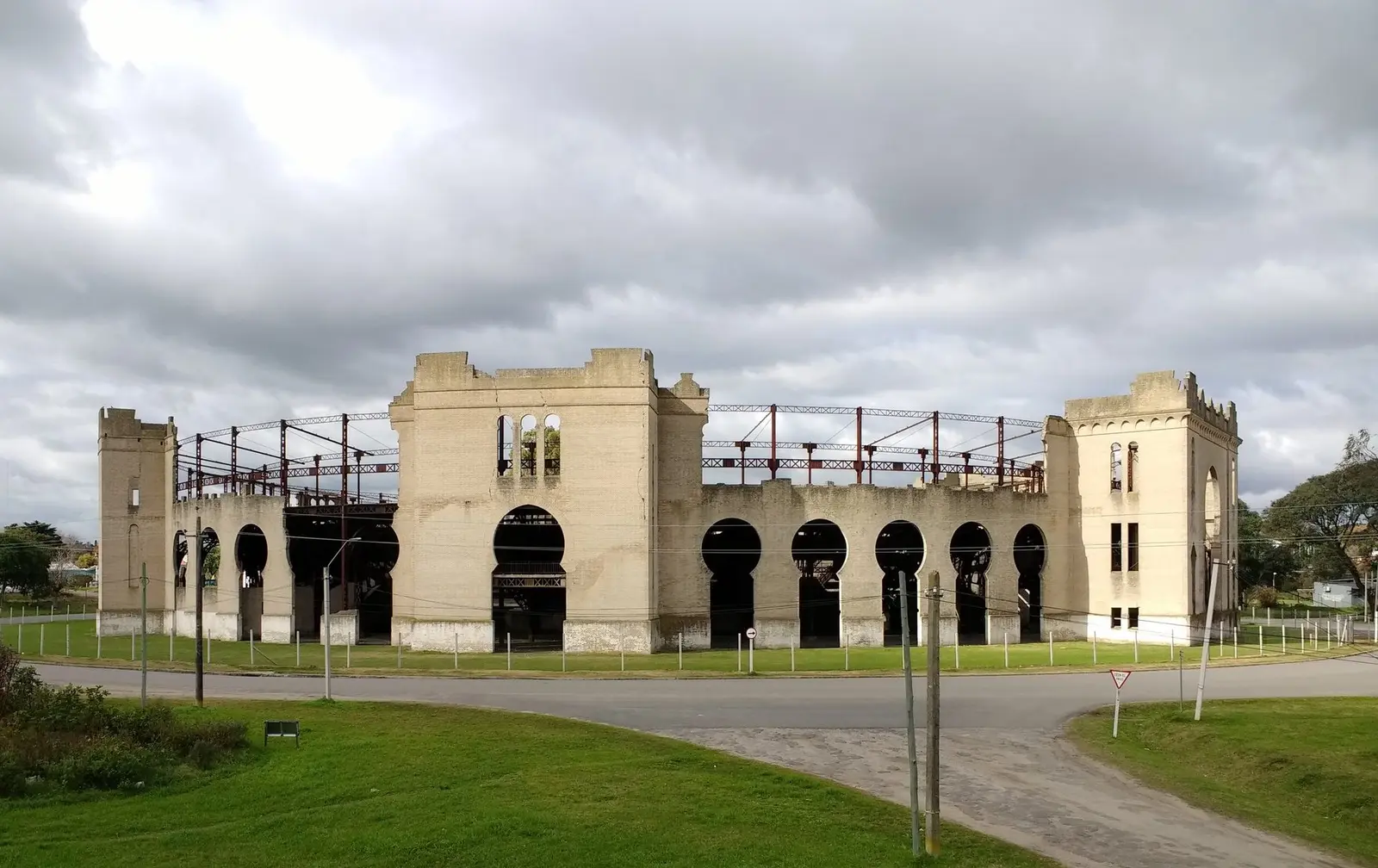
General information reviewed against official sources available as of September 26, 2026. The tax calculation depends on your purchase date and tax status: ask your escribano for it before you set the price. Cover photo: Mx. Granger, public domain (CC0), via Wikimedia Commons.